FX Trading Platform
This comprehensive guide explores FX trading platforms, delving into their technical features, security protocols, cost efficiency, and advanced functionalities to empower general readers in making informed decisions within the competitive forex market. Learn how to evaluate platforms effectively and choose the one that best suits your trading needs.
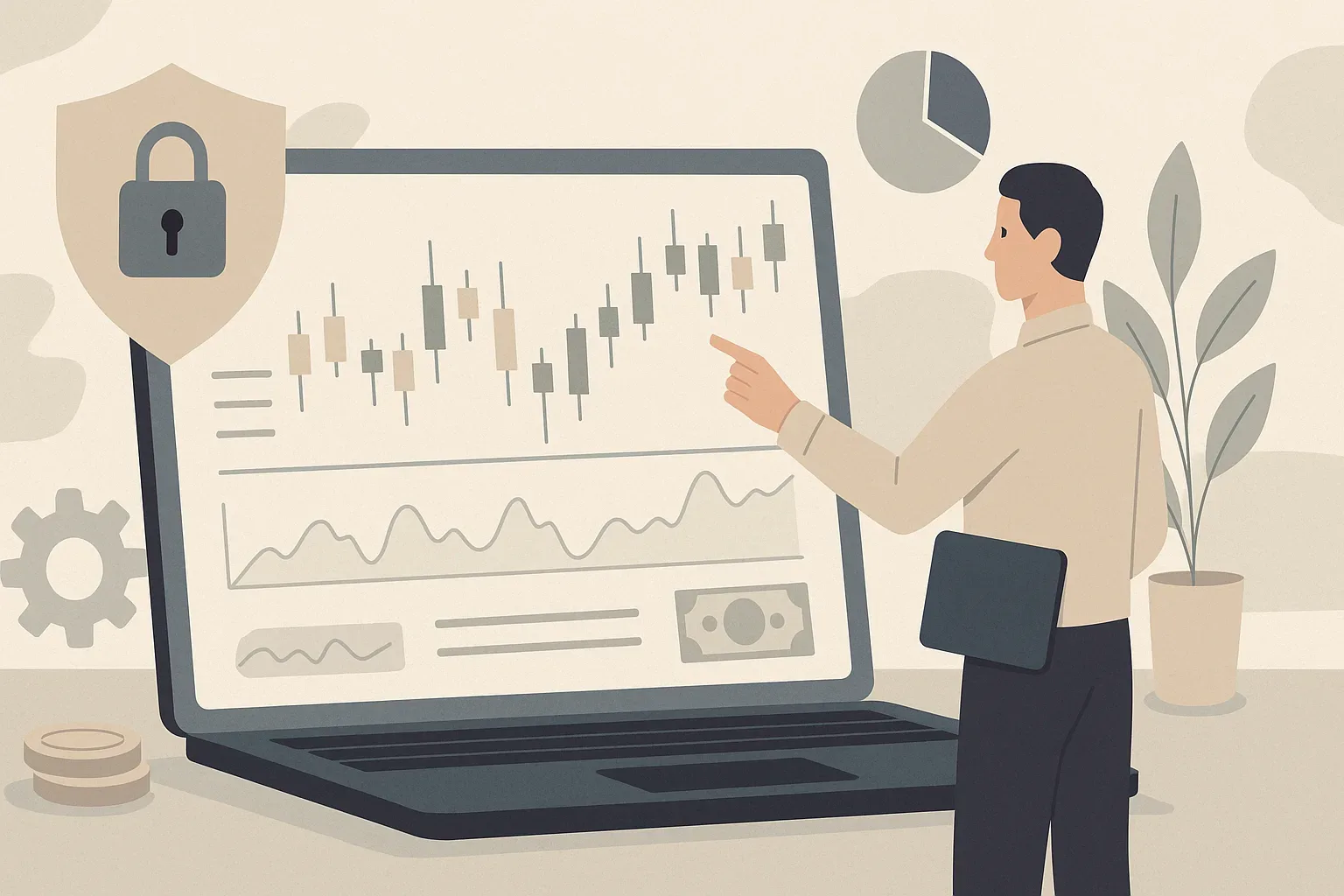
Introduction: What is an FX Trading Platform and Why It Matters
An FX trading platform is a specialized software application or web-based interface that facilitates the online exchange of foreign currencies. It acts as a digital gateway, connecting individual traders and financial institutions to the global foreign exchange market. Through these platforms, users can view real-time currency prices, analyze market trends, execute trades, and manage their trading accounts. It is the primary tool a trader uses to interact with the market, influencing the speed of order execution, the accuracy of market analysis, and ultimately, the profitability of trading activities.
Core Functionalities and Essential Features of an FX Platform
Essential features also encompass diverse order execution capabilities, allowing traders to place market orders, limit orders, stop-loss orders, and take-profit orders to manage risk and capitalize on opportunities. What core technical and functional features distinguish a robust FX trading platform? Firstly, it offers exceptional reliability and speed of execution, minimizing slippage and ensuring trades are filled at desired prices. Secondly, it supports a wide array of order types, giving traders granular control over their entries and exits. Thirdly, it provides advanced, customizable charting tools with a broad selection of technical indicators and drawing objects for in depth market analysis.
Types of FX Trading Platforms: Desktop, Web, Mobile, and Third-Party Solutions
Desktop platforms, such as MetaTrader 4 or 5, are installed directly onto a computer, offering comprehensive features, high performance, and extensive customization options. Beyond these delivery methods, platforms can be broadly categorized into proprietary solutions developed by brokers themselves and third-party solutions. They may feature unique tools or instruments specific to that broker, and their interface is often tailored for consistency with the broker's brand. However, their customization options for the end-user might be more limited. They support a vast ecosystem of custom indicators, Expert Advisors (EAs) for algorithmic trading, and scripts developed by a global community of users and developers.
Evaluating Security, Regulation, and Data Integrity
Traders entrust their capital and personal information to these platforms, making robust protective measures non-negotiable. Critical security protocols include advanced encryption technologies, such as Secure Socket Layer (SSL) or Transport Layer Security (TLS), to protect data transmission between the trader and the platform. Client funds should ideally be held in segregated accounts, separate from the broker's operational capital, to protect them in the event of the broker's insolvency. Examples of such bodies include the Financial Conduct Authority (FCA) in the UK, the Cyprus Securities and Exchange Commission (CySEC), and the Australian Securities and Investments Commission (ASIC). These regulators impose strict operational standards, capital adequacy requirements, and client protection rules on the brokers they oversee. Regular security audits and penetration testing are also essential to identify and mitigate vulnerabilities.
Understanding Platform Cost Structures: Spreads, Commissions, and Swaps
The spread is the difference between the bid (sell) and ask (buy) price of a currency pair, representing the broker's profit or a portion of it. Tighter spreads generally indicate better value for traders. Commissions are flat fees or percentage-based charges applied per trade, particularly common in ECN/STP (Electronic Communication Network/Straight Through Processing) accounts where spreads are often very tight. Swaps, also known as rollover fees, are interest adjustments applied to positions held overnight, reflecting the interest rate differential between the two currencies in a pair. These can be positive or negative, depending on the currency pair and the direction of the trade. These can include deposit and withdrawal fees, which vary significantly between brokers and payment methods. Inactivity fees may be charged if an account remains dormant for a specified period. Some platforms might also have monthly or annual subscription fees for access to premium tools, advanced data feeds, or specialized charting packages.
Advanced Tools and Integrations for Strategic Trading
Advanced technical indicators, custom drawing tools, and multi-timeframe analysis allow for complex market pattern recognition. Backtesting features enable traders to test historical performance of their strategies against past market data, validating their efficacy before risking real capital. The integration of Expert Advisors (EAs) or trading robots facilitates algorithmic trading, automating trade execution based on predefined rules. Social trading features allow users to follow and copy the trades of experienced traders. Robust strategy testers that offer detailed performance reports and optimization capabilities are invaluable for refining automated systems. For algorithmic trading, platforms offering open APIs (Application Programming Interfaces) are essential, enabling traders to connect external trading software, custom algorithms, and third-party data sources directly to their trading accounts. This allows for the development and deployment of highly personalized and complex trading systems. The ability to integrate with various programming languages, such as MQL4/5 for MetaTrader or Python for custom solutions, significantly expands the possibilities for strategy development and automation.
User Experience, Analytics, and Customer Support Considerations
A positive user experience (UX) is vital for efficient and stress-free trading. A well designed platform minimizes the learning curve, allowing traders to focus on market analysis rather than grappling with software complexities. Beyond the interface, robust performance analytics tools are essential for self-improvement, enabling traders to review their trading history, identify strengths and weaknesses, and refine their strategies. Features such as trade journaling, profit and loss statements, and detailed risk metrics provide invaluable insights. Customer support is another critical component, especially for new traders or when technical issues arise. Multi-channel support, including live chat, email, and phone, ensures that assistance is readily available. The responsiveness, knowledge, and language availability of the support team can significantly impact a trader's confidence and ability to resolve issues promptly. How can traders effectively assess an FX platform's user experience, educational resources, and customer support quality? The most effective way to assess user experience is by utilizing a demo account. This allows traders to navigate the platform, practice trading with virtual funds, and get a feel for its responsiveness and ease of use without financial risk. Reading independent reviews and community forums can offer insights into common user complaints or praises. For educational resources, look for comprehensive libraries of articles, video tutorials, webinars, and glossaries that cover everything from basic forex concepts to advanced trading strategies. A platform's commitment to educating its users signals a focus on long term trader success. To evaluate customer support, test their responsiveness by sending an inquiry through various channels. Assess their knowledge and helpfulness in resolving hypothetical issues. Language support is also important, ensuring that assistance can be provided in the trader's native language.
Choosing the Right FX Trading Platform for Your Needs
Selecting the definitive FX trading platform is a highly personal decision, deeply intertwined with an individual trader's experience level, trading style, and specific requirements. Beginners might prioritize user-friendliness, comprehensive educational resources, and responsive customer support, along with the availability of demo accounts to practice without risk. Experienced traders, on the other hand, might focus more on advanced charting capabilities, algorithmic trading integrations, low latency execution, and competitive pricing structures like tight spreads and low commissions. Scalpers will demand ultra-fast execution and minimal slippage, while swing traders might place more emphasis on robust analytical tools and stable performance during volatile market conditions. long term position traders may prioritize reliable news feeds and detailed fundamental analysis tools. Regardless of your trading approach, a few universal principles apply: always prioritize platforms that are regulated by reputable authorities, offer transparent cost structures, and provide strong security measures for your capital and data. Make thorough use of demo accounts to test different platforms before committing real funds. Compare features, execution speeds, and the overall user interface. Consider your hardware and internet connection capabilities, as desktop platforms might demand more resources than web-based alternatives. By carefully evaluating technical features, security, cost efficiency, and advanced functionalities, traders can make an informed decision that significantly contributes to their trading success.
Risk statement
Myfintec provides news and information only. Nothing on this site is financial, investment, trading, legal or tax advice. Markets carry risk, including total loss of capital. Always do your own research and consider independent professional advice before acting.