Foreign Exchange Trading Platform
This definitive guide helps general readers understand, evaluate, and choose the right foreign exchange trading platform. It covers key features, security, user experience, costs, and common pitfalls to ensure informed decisions for successful forex trading.
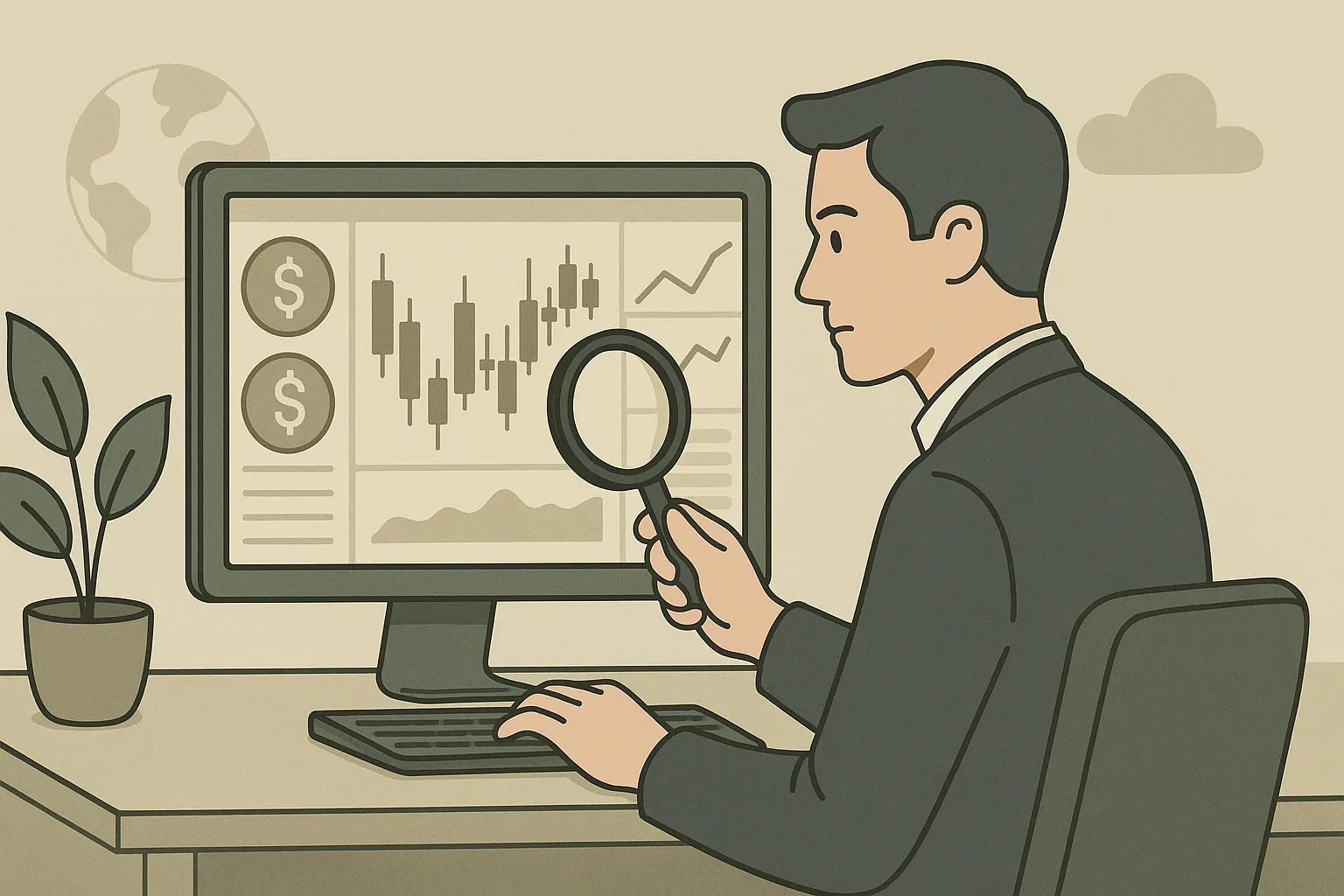
Foreign exchange (forex) trading, representing the largest financial market globally, offers immense opportunities for individuals to participate in currency movements. At its core, facilitating this complex and dynamic activity is the foreign exchange trading platform.
What is a Foreign Exchange Trading Platform? The platform essentially bridges the gap between individual retail traders and the immense interbank market where large financial institutions exchange currencies. It significantly facilitates forex trading by aggregating liquidity from numerous providers, transparently displaying both bid and ask prices, and executing trades almost instantaneously based on the trader's precise instructions.
Key Features to Look For in a Forex Trading Platform The depth and breadth of functionality within a trading platform directly and profoundly impact a trader's efficiency and potential for success. Secondly, sophisticated charting tools are indispensable for technical analysis, offering a multitude of indicators, various drawing tools, and customizable timeframes to suit any analytical approach. Thirdly, the availability of diverse order types extending beyond simple market orders is vital for effective risk management and the precise implementation of trading strategies; this includes limit orders, stop-loss orders, take-profit orders, and more advanced options like OCO (one-cancels-the-other) orders. Fourthly, extensive customization options, enabling traders to personalize the layout, create tailored watchlists, and set up specific alerts according to their preferences, significantly enhance operational efficiency. Fifthly, the platform should ideally offer robust analytical tools, including strong backtesting capabilities for validating trading strategies against historical data. Finally, an integrated news feed and a well-curated research section are invaluable for keeping traders thoroughly informed about global events that could impact currency markets. The ability to trade a wide spectrum of currency pairs, potentially alongside other diversified assets like commodities, indices, or even cryptocurrencies, can also present a significant advantage, depending on your broader investment strategy.
Prominent examples include platforms from major brokers like IG or OANDA. Their key advantage lies in seamless integration with the broker's entire suite of services and frequently a highly bespoke user interface. MetaTrader 4 (MT4) and its successor, MetaTrader 5 (MT5), are by far the most ubiquitous and widely adopted examples in this category. eToro stands out as a leading example in this niche. Beginners might find social trading platforms beneficial for guidance or prefer a user friendly proprietary platform. Experienced traders, conversely, frequently lean towards MT4/MT5 for their advanced tools, robust analytical features, and sophisticated automation capabilities.
Engaging in trading activities with an unregulated or inadequately secured platform subjects your hard-earned capital to severe and unacceptable risks. Actively seek out licenses from top-tier regulatory bodies such as the Financial Conduct Authority (FCA) in the UK, the Cyprus Securities and Exchange Commission (CySEC), the Australian Securities and Investments Commission (ASIC), or the National Futures Association (NFA) and Commodity Futures Trading Commission (CFTC) in the US, among other highly respected global regulators. A genuinely regulated broker is legally bound to adhere to stringent operational and financial standards. Myfintec Net also provides a practical guide on how to check a trading provider is regulated, offering step by step instructions. A transparent and easily accessible privacy policy, clearly detailing how your personal and financial data is handled, is also a strong indicator of a trustworthy platform.
This differential is a primary method through which many brokers generate their revenue, especially those advertising "commission-free" trading. Generally, tighter spreads are unequivocally more advantageous for traders, as they directly reduce the cost incurred when entering and exiting trades. Spreads can either be fixed, remaining constant regardless of market conditions, or variable, meaning they can fluctuate and often widen significantly during periods of elevated market volatility or diminished liquidity. Commissions, conversely, are explicit fees levied by the broker specifically for executing a trade, typically structured as a fixed amount per standard lot traded or a percentage of the trade's total value. Brokers that offer exceptionally tight or "raw" spreads commonly opt to charge commissions instead. Inactivity fees might be charged if a trading account remains dormant for an extended period, and some brokers also apply deposit or withdrawal fees for certain payment methods. The precise cost structure can vary quite substantially between different platforms and across various account types offered by a single broker. For instance, ECN (Electronic Communication Network) brokers often boast much tighter spreads but compensate by charging commissions, whereas market maker brokers might present wider spreads but without explicit commission fees. Always conduct a thorough review of the platform's comprehensive fee schedule and terms of service before making any financial commitment.
User Experience and Support: Navigating a Platform An effective trading platform combines powerful features with an intuitive user experience (UX). A well designed platform should be effortlessly easy to navigate, with essential tools and critical information readily accessible. When assessing a platform, consider the interface's overall clarity, its responsiveness across different devices, and the available customization options. Does the platform feel cluttered and overwhelming, or streamlined and efficient? Can you effortlessly locate charting tools, order entry panels, and your account information? A robust and feature-rich mobile trading application is also an absolutely essential component for traders who need the flexibility to monitor and manage their positions while on the go. The quality and accessibility of customer support represent another critical aspect. Does the platform offer 24/5 (or ideally 24/7) support via multiple accessible channels such as live chat, email, and telephone? Is the support team demonstrably knowledgeable, professional, and responsive to inquiries? Check for language support that is relevant to your specific needs and geographic location. A truly excellent platform will also provide comprehensive educational resources, detailed tutorials, and a fully functional demo account, which allows users to practice and refine trading strategies without risking any actual capital. A poor user experience, characterized by frequent glitches, slow trade execution, or an unintuitive design, can lead to significant frustration, missed trading opportunities, and potentially costly errors in judgment.
Choosing the Right Platform for Your Trading Style Choosing the right foreign exchange trading platform is a deeply personal decision and depends heavily on your individual trading style, current experience level, and specific strategic goals. For beginners, a platform featuring a simple, intuitive interface, extensive educational resources, and a robust demo account is unequivocally ideal. Social trading platforms might also prove highly suitable for those who wish to learn by observing or directly copying the trades of others. Scalpers and day traders, who engage in frequent, short term trades, require platforms equipped with ultra-fast execution speeds, exceptionally tight spreads, and highly advanced charting capabilities. Swing traders and position traders, who typically hold trades for longer durations, might prioritize comprehensive analytical tools, reliable economic calendars, and potentially lower overnight financing fees. Traders employing automated strategies will necessitate platforms that fully support Expert Advisors (EAs) or allow for custom script development, with MetaTrader platforms being prime examples. Consider the breadth of assets offered; if you intend to diversify beyond pure forex into commodities, indices, or other financial instruments, ensure the platform adequately supports them. Finally, your initial capital size can significantly influence available account types and their associated fee structures, so verify that the platform comfortably accommodates your investment level. Aligning the platform's features precisely with your specific needs will dramatically enhance your overall trading journey.
Common Pitfalls to Avoid When Selecting a Forex Platform When embarking on the critical journey of selecting a foreign exchange trading platform, traders, especially newcomers, frequently fall prey to several common and avoidable pitfalls. One major mistake is choosing a platform solely based on the allure of the lowest spreads or "no commission" claims without fully comprehending the entire fee structure or potential trade-offs. Unscrupulous brokers might compensate for seemingly low spreads with significantly wider spreads during periods of market volatility or introduce hidden fees elsewhere. Trading with an unregulated broker exposes your valuable funds to substantial and unacceptable risk, offering little to no recourse in the unfortunate event of disputes or broker insolvency. Always independently and thoroughly verify the broker's regulation. A third common error is failing to adequately test the platform using a demo account. A demo account provides an invaluable opportunity to experience the platform's features, assess its execution speed, and familiarize yourself with the user interface without any financial risk, thereby revealing any potential issues before you commit real capital. Failing to properly consider the quality and responsiveness of customer support is also a significant mistake; when problems inevitably arise, prompt, knowledgeable, and competent assistance is invaluable. Lastly, succumbing to aggressive marketing hype or unrealistic "get rich quick" promises without conducting thorough due diligence on a platform's reputation and actual performance can lead to profound disappointment and significant financial loss. Always approach platform selection with a critical, informed, and skeptical perspective.
Conclusion: Selecting the optimal foreign exchange trading platform is a critical and foundational step for any participant in the dynamic forex market. By focusing on essential features, diligently verifying robust security and regulatory compliance, thoroughly understanding the various cost structures, prioritizing an intuitive user experience, and precisely aligning the platform with your unique trading style, you can make an exceptionally informed and confident decision. Avoiding common pitfalls and conducting comprehensive research will safeguard your investment and pave the way for a more confident, efficient, and potentially successful trading experience. A carefully chosen platform serves not just as a mere tool, but as a strategic and indispensable partner in your forex trading endeavors.
Risk statement
Myfintec provides news and information only. Nothing on this site is financial, investment, trading, legal or tax advice. Markets carry risk, including total loss of capital. Always do your own research and consider independent professional advice before acting.